
Commentary: When students speak about racism, schools need to listen
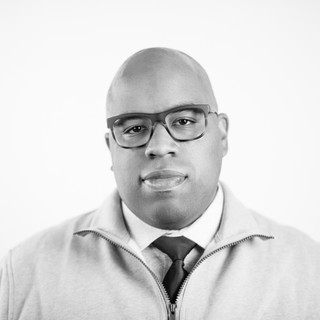
Wrriten by: Ta-Sean C. Murdock
First Featured in the Times Union on Nov 3, 2026

Pictured: Colonie Central High School
Albany, NY - Headlines about the recent racial incident in South Colonie will fade. But we need to ask a much bigger, more uncomfortable question about race and education: Do our young people actually believe our schools are designed to support them?
For students of color, the answer is far too often ignored or avoided.
When a child walks into school, they look for clues to see if they belong. Do they see themselves reflected in the teachers and administrators leading in their school? Do they feel their educators genuinely care about them and understand their lived experiences? Do they feel safe, welcomed and valued?
The reality is that a student's race heavily influences the quality of the education they receive. As just one example: A report from the 2011-12 school year taken from the U.S. Department of Education’s Office of Civil Rights states that “African American students are less likely than white students to have access to college-ready courses. In the 2011 report only 57% of Black students had access to a full range of math and science courses necessary for college readiness, compared to 81% of Asian American students and 71% of white students.”
In South Colonie, white students were captured in a social media video using racist language. Like the larger community, students who attend Colonie Central High expressed frustration and outrage, not only for the video that was posted but also for what they believe are inequalities and racism within the school they attend. Instead of working to listen to the students and providing spaces and opportunities for them to feel heard and understood, the school administrators reacted in more of a punitive way.
Communities have changed and have become more diverse. Historically white, rural and suburban districts across the country are now educating a more diverse student body. Are our institutions doing enough to catch up with these changes?
While data is important and should inform how we educate our students, the work around the issues of race requires more than data. It requires humility. It demands a serious look at school culture, curriculum and leadership. Pretending that differences don’t exist will not solve the problem; it will only further exacerbate it.
Representation is a massive part of this equation. Leaders in school buildings should reflect the student body they serve. At the same time, all educators must be fully equipped to connect with students whose backgrounds differ from their own.
Today’s youth are smarter and more connected than any generation before them. They are more willing to ask why and to challenge the status quo. When students ask why, it is often seen as a threat or resistance to authority. Instead, we should see this as our young people thinking critically.
Educational equity is measured by what happens in the school building and in the classroom. Diversity statements mean nothing if they don't translate into action. This action includes daily respect and equal resources for every single child no matter their race, religion or personal beliefs.


Comments